
Emergency Solar PV Technical Response
CSSA provides urgent solar-specific assistance to fire departments, responsible parties and asset owners when a damaged PV installation creates continuing electrical, access and recovery questions.
Darkness is temporary. Daylight restores generation.
PV modules generate electricity when exposed to light. Turning off an inverter, opening a disconnect or initiating rapid shutdown may reduce specified hazards without making every module and conductor electrically inert.
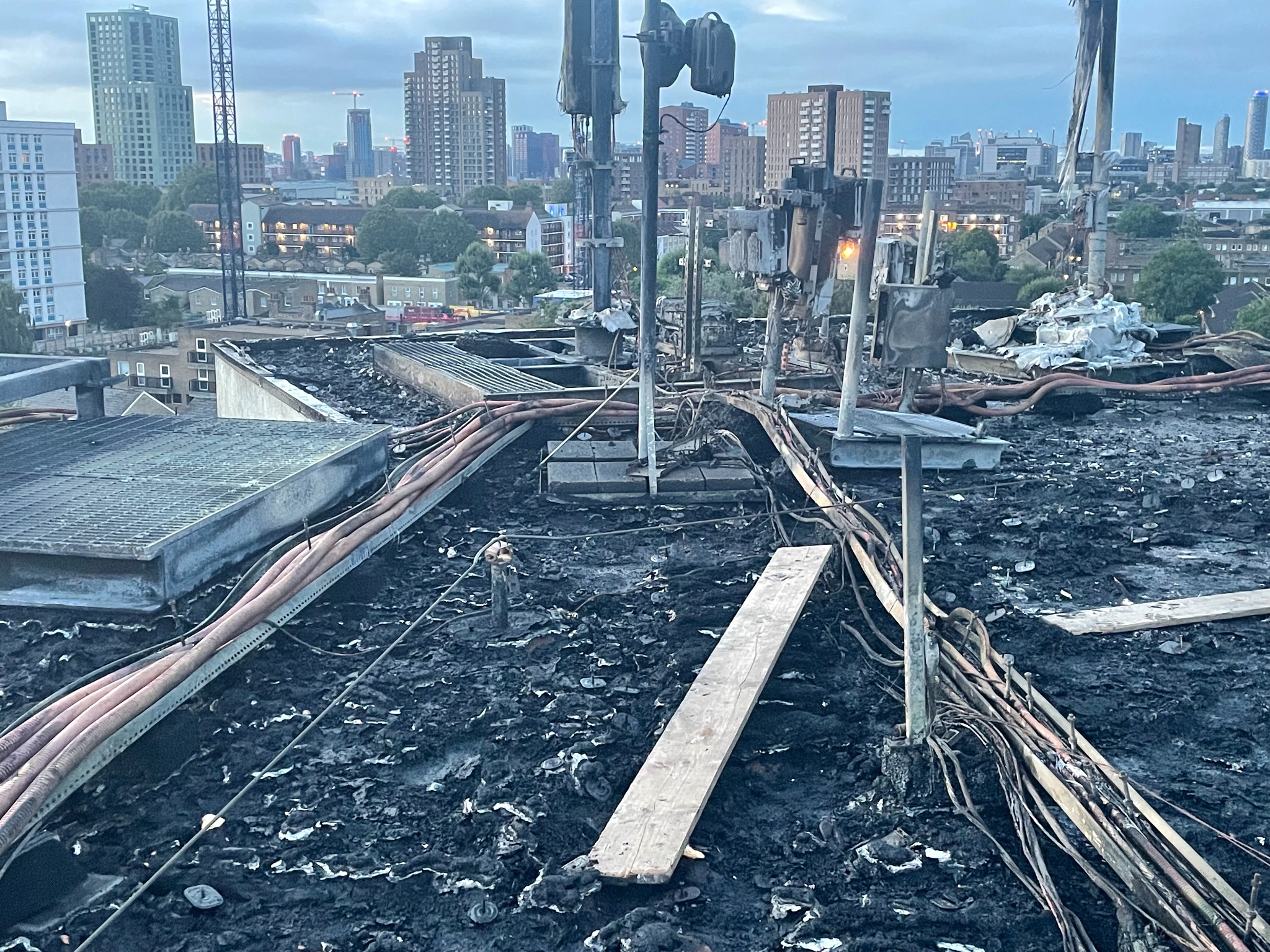
Following a fire, damaged cables, connectors, enclosures and modules can create a complex environment. The actual installation, equipment, fire damage, shutdown architecture and scene authority must be understood before work proceeds.
How CSSA can support the response
System orientation
Help identify array sections, inverters, disconnects, visible DC pathways, shutdown features and relevant documentation.
Hazard communication
Explain PV-specific limitations and what may remain energized after shutdown or damage.
Authorized system control
Support appropriate isolation or securing actions within the agreed scope and by properly authorized personnel.
Initial evidence record
Capture observable conditions before recovery, weather, access or remedial activity changes the scene.
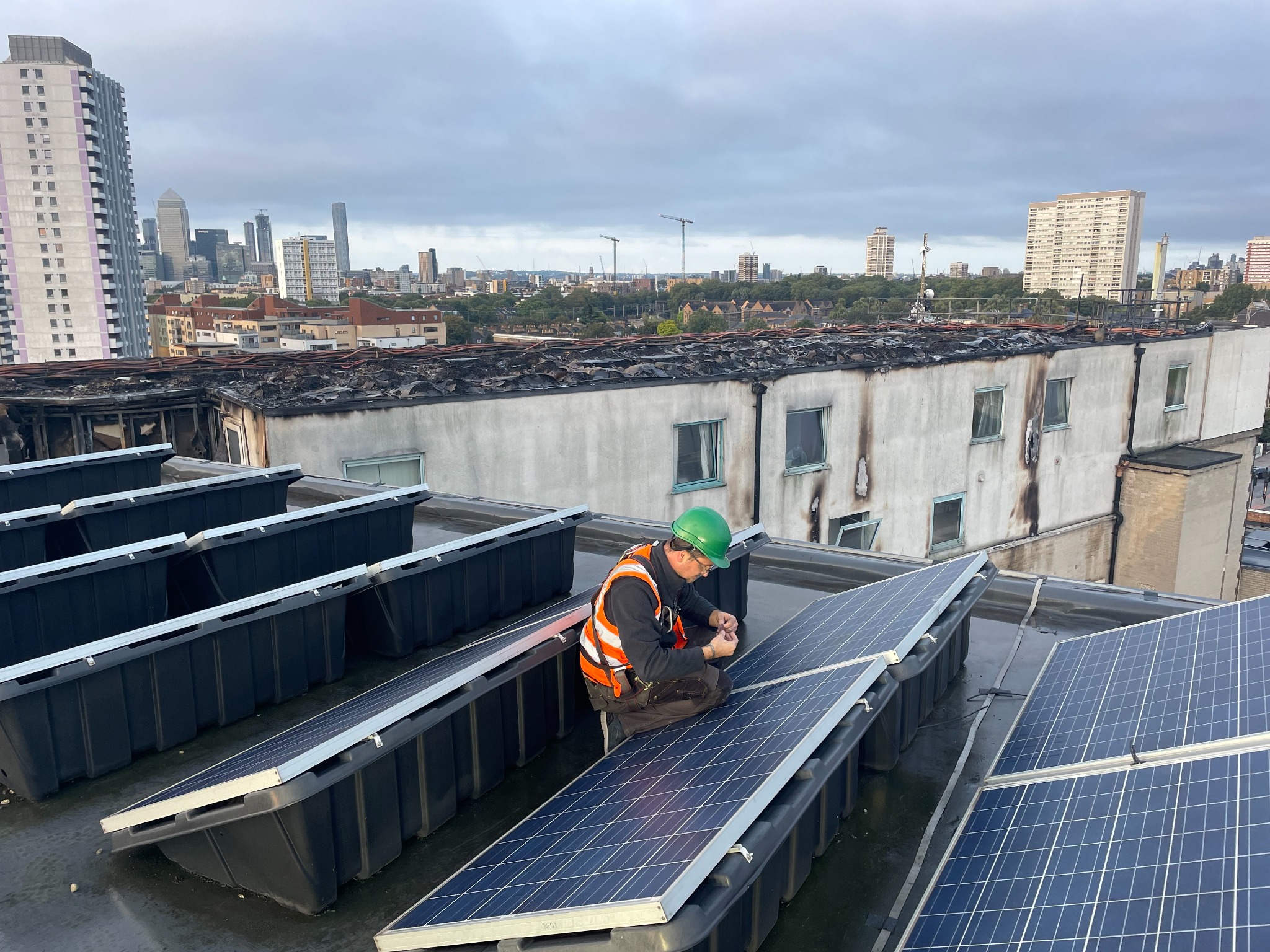
A 2:30 a.m. callout before sunrise
CSSA leadership attended a major rooftop PV fire after being asked to provide specialist solar knowledge alongside the responding fire department.
The immediate priority was to assess the surviving installation and support appropriate control of affected circuits before increasing daylight restored generation from exposed modules. Once the immediate situation was controlled, solar-specific observations assisted the fire department's investigation and future-prevention review.
This case study demonstrates relevant field experience. Every incident remains subject to its own command structure, hazards, authority and technical scope.
Information that helps an urgent response
Emergency response FAQs
Does CSSA offer a guaranteed 24/7 nationwide response?
No blanket response-time promise is made. Availability depends on location, travel, scene access, authority, hazards and specialist availability. Contact CSSA immediately so the requirement can be assessed.
Can CSSA enter while the fire is still active?
Only the incident commander or relevant authority controls scene access. CSSA does not enter an active or restricted hazard area without authorization and appropriate controls.
Does rapid shutdown make every panel safe?
Rapid shutdown reduces specified electrical hazards but does not stop illuminated PV cells from producing electricity. The system design and damaged condition must be understood.
Can CSSA disconnect damaged equipment?
Any switching, isolation or physical disconnection must be authorized, site-specific and performed by personnel competent and legally permitted for the particular task and jurisdiction.
What happens after the emergency stage?
CSSA can provide structured PV fire investigation support, photographic documentation and preventative recommendations under a separate defined scope.
Need urgent solar-specific support after a PV fire?
Call first where the situation is time-critical. Attendance remains subject to location, authorization, access, scene conditions and specialist availability.