
Solar Panel Fire Risk Assessments
CSSA examines accessible PV installations for observable conditions that may contribute to ignition, fire spread, responder difficulty or increased loss severity—then records what was found and what should happen next.
Find concerns before they become incidents
Solar assets can be difficult to observe from ground level. Routine cleaning and specialist site visits create an opportunity to look more closely at the array, surrounding roof and visible balance-of-system components.
CSSA's assessment is designed for asset owners, facilities teams, O&M providers, insurers and commercial operators who want a structured record of observable conditions—not a casual collection of photographs.
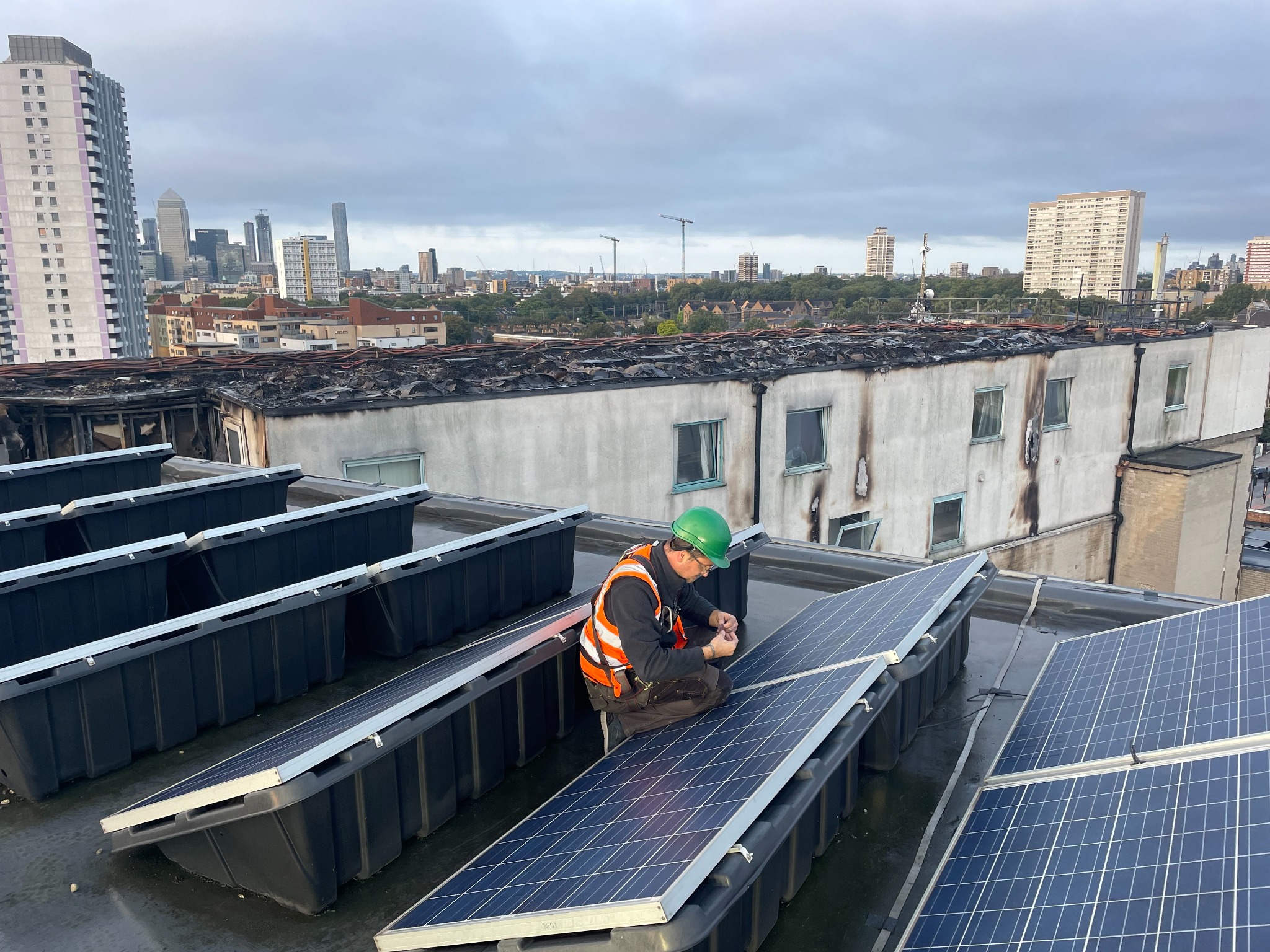
What CSSA can look for
The exact checklist is adapted to the installation, site access and client scope. Observable concerns may include the following.
Cabling and connectors
- Unsupported or displaced cables
- Connectors against roof surfaces
- Visible damage or heat effects
- Exposed or poorly contained conductors
Modules and array
- Broken or displaced modules
- Discoloration and degradation indicators
- Damaged junction-box areas
- Foreign material beneath modules
Combustible conditions
- Bird nests and nesting material
- Dry vegetation and accumulated debris
- Waste or stored materials near equipment
- Potential fire-spread pathways
Access and emergency context
- Restricted roof or equipment access
- Unclear labels and shutdown information
- Obstructed routes or working areas
- Matters requiring specialist escalation
More than a checklist
The purpose is to give decision-makers a traceable field record that can support maintenance planning, corrective work and future due diligence.
A controlled, site-specific process
Scope
Confirm the client objective, asset type, access, known concerns and reporting requirements.
Plan
Establish authorization, safe access, JHA controls and boundaries of the visual assessment.
Assess
Record observable conditions systematically without disturbing evidence or exceeding competence.
Report
Deliver clear photographs, priorities, limitations and recommendations for corrective escalation.
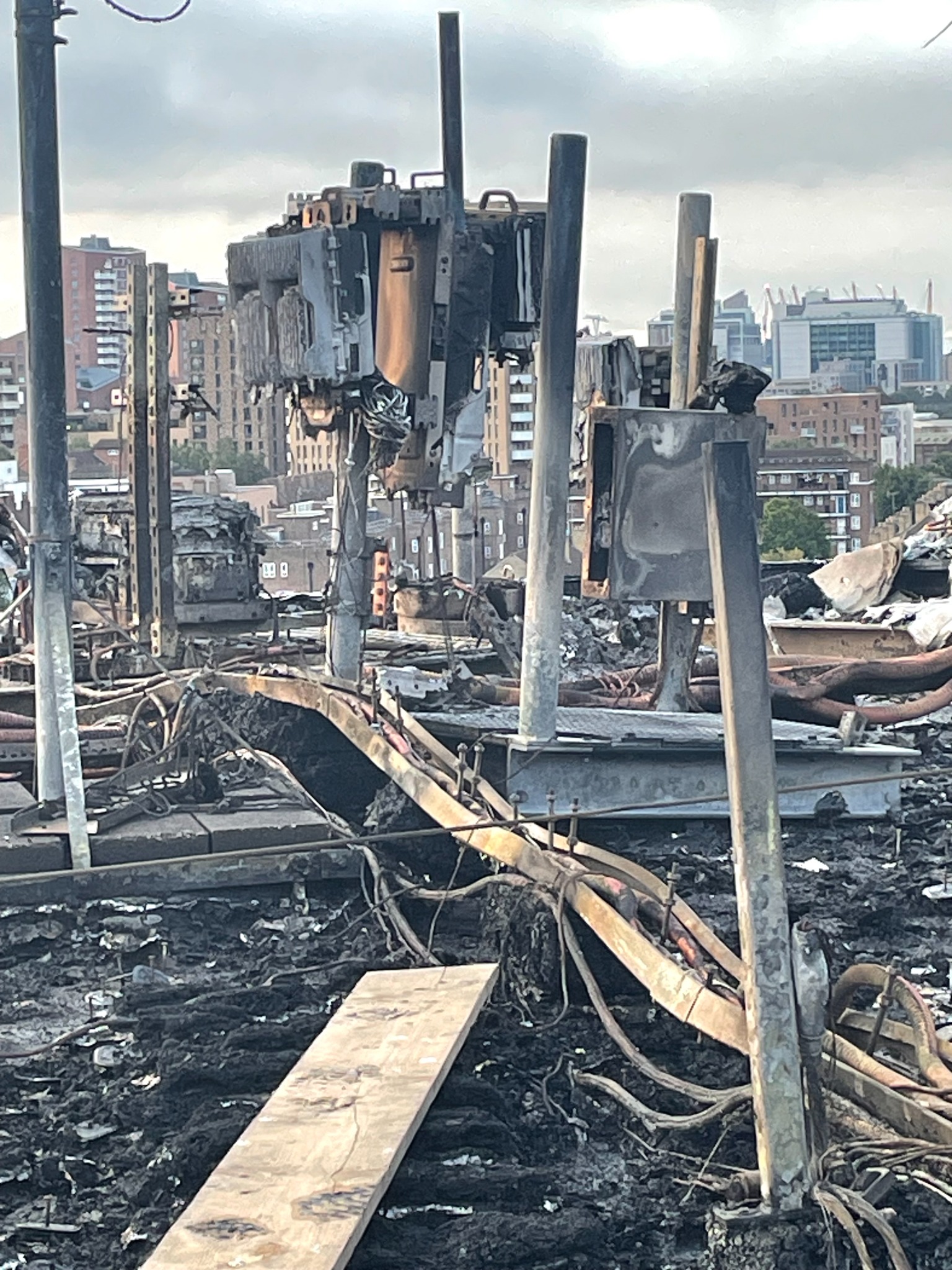
Maintenance records can matter later
Contemporaneous assessment and maintenance records can help establish what was observed, when it was observed and what corrective action was recommended.
They may provide useful supporting evidence for asset owners, manufacturers, insurers and appointed investigators. They do not guarantee warranty acceptance, insurance coverage or a particular causation finding.
Fire risk assessment FAQs
Is this an electrical inspection?
Not by default. It is a structured visual PV fire-risk assessment. Electrical testing, thermography, opening equipment or code-compliance inspection must be separately scoped and completed by appropriately qualified personnel.
Will the assessment prove the system is safe?
No assessment can guarantee that a fire will not occur or reveal every concealed defect. The report records observable conditions, limitations and recommended next actions.
Can assessments be combined with cleaning?
Yes, where the scope, access and commercial arrangements allow. A cleaning visit can create a useful inspection touchpoint, but the formal assessment remains a defined service.
Can you assess bird nesting beneath panels?
Accessible nesting material and bird activity can be documented. Nest disturbance or removal may require permits and must follow applicable wildlife rules.
Who receives the report?
Reports can be prepared for owners, facilities teams, O&M providers, insurers or other authorized stakeholders identified in the scope.
Do you know what is happening beneath and around your array?
Request a defined solar PV fire-risk assessment and create a clearer record of observable conditions before an incident occurs.